Your digestive system may need less pressure, less stimulation and more time—not force.
Immediate relief
Start with what feels possible.
You do not need to try everything. Open one card and choose the smallest manageable adjustment.
Lower the Sensory Load+
Move away from cooking smells, perfume, heat, bright light and noise. Cooler air and fewer demands may make nausea easier to manage.
Find a Supported Position+
Loosen pressure at the waist. Sit supported or recline with your upper body elevated when reflux is part of the picture.
Cool the Face + Neck+
Try a comfortably cool cloth across your face or the back of your neck. A breath mint may help some people; skip it if mint worsens reflux or other symptoms.
Sip—Do Not Force+
Try small, comfortable sips. Pause if drinking quickly increases fullness or nausea. Follow the fluid and electrolyte guidance appropriate for you.
Choose Small + Familiar+
A few bites of a familiar texture may be more manageable than a full meal. You do not have to force food simply because it is mealtime.
Does this feel different?
Some symptoms need more than a comfort strategy.
Seek timely medical guidance for severe or rapidly worsening pain, a firm markedly distended abdomen with inability to pass stool or gas, persistent vomiting, inability to keep fluids down, blood or coffee-ground-like vomit, black or bloody stool, significant dehydration, fever, confusion, new fainting, unusual weakness, unintended weight loss or symptoms that repeatedly prevent eating.
Comfort guides
What does your body need?
When nausea rises
Reduce smells, heat, light and sound.
Try a cool cloth across the face or neck.
Support the upper body if reflux is present.
Sip slowly and pause if fullness increases.
Let food be small, familiar and optional.
Use prescribed or personally tolerated comfort tools.
When bloating builds
Loosen pressure around the abdomen.
Slow eating and drinking to reduce swallowed air.
Pause fizzy drinks, gum or straws if they worsen symptoms.
If safe, try a casual walk, seated rocking or a rocking chair.
Chamomile tea may feel soothing if tolerated; consider allergies and medication interactions.
Banana or hydrating watermelon may help sodium-related water retention for some people, but watermelon can worsen symptoms with fructose or FODMAP sensitivity.
Reduce one demand. Try one gentle adjustment. Give your body time to answer.
Feeling steadier?
Do not rush the next step.
Less nausea or pressure does not necessarily mean your digestive system—or your whole body—is ready for a full meal, standing task or busy environment.
Stay supported
Remain seated or reclined a little longer. Return upright gradually if dizziness or weakness accompanied the episode.
Restart gently
Try the next sip or bite slowly. Notice temperature, texture, portion and whether symptoms begin rebuilding.
Food tolerance can change
Yesterday’s “yes” may be today’s “not right now.”
Response can vary with portion, freshness, digestion speed, combinations, medication timing, hormones, stress, heat, exertion and total symptom load.
Freshness + leftovers
Histamine and other biogenic amines can develop during processing and storage. Amounts vary by food, handling, time and temperature. Prompt chilling or freezing individual portions may be worth observing if older leftovers seem less tolerable.
Fiber is not always gentle
High-fiber food is not inherently a histamine issue. Fiber may increase bulk, gas and fullness, and can be harder to tolerate with delayed gastric emptying. Long-term restriction can create other problems.
Triggers are not rules
Aged or fermented foods, certain fish, alcohol, large meals, fat, fiber, spice, acid and carbonation are commonly discussed—but a listed trigger may be tolerable for you.
Protect nutrition
Change one variable at a time when possible. If your diet keeps shrinking, seek help from a registered dietitian familiar with dysautonomia or gastrointestinal conditions.
Notice—without blame
Look for patterns without putting your life under a microscope.
The purpose is useful information, not a flawless diet or a perfect explanation.
Food + portion
What did you eat, approximately how much, and was it fresh, refrigerated, frozen, soft or blended?
Timing + position
When did symptoms begin? Were you upright, reclining, active, overheated or resting after the meal?
The wider day
Notice sleep, stress, hormones, constipation, medication timing, exertion and your overall symptom load.
What helped
Record the adjustment that made the moment easier—not only what seemed to trigger it.
Make the next time easier
Keep comfort close.
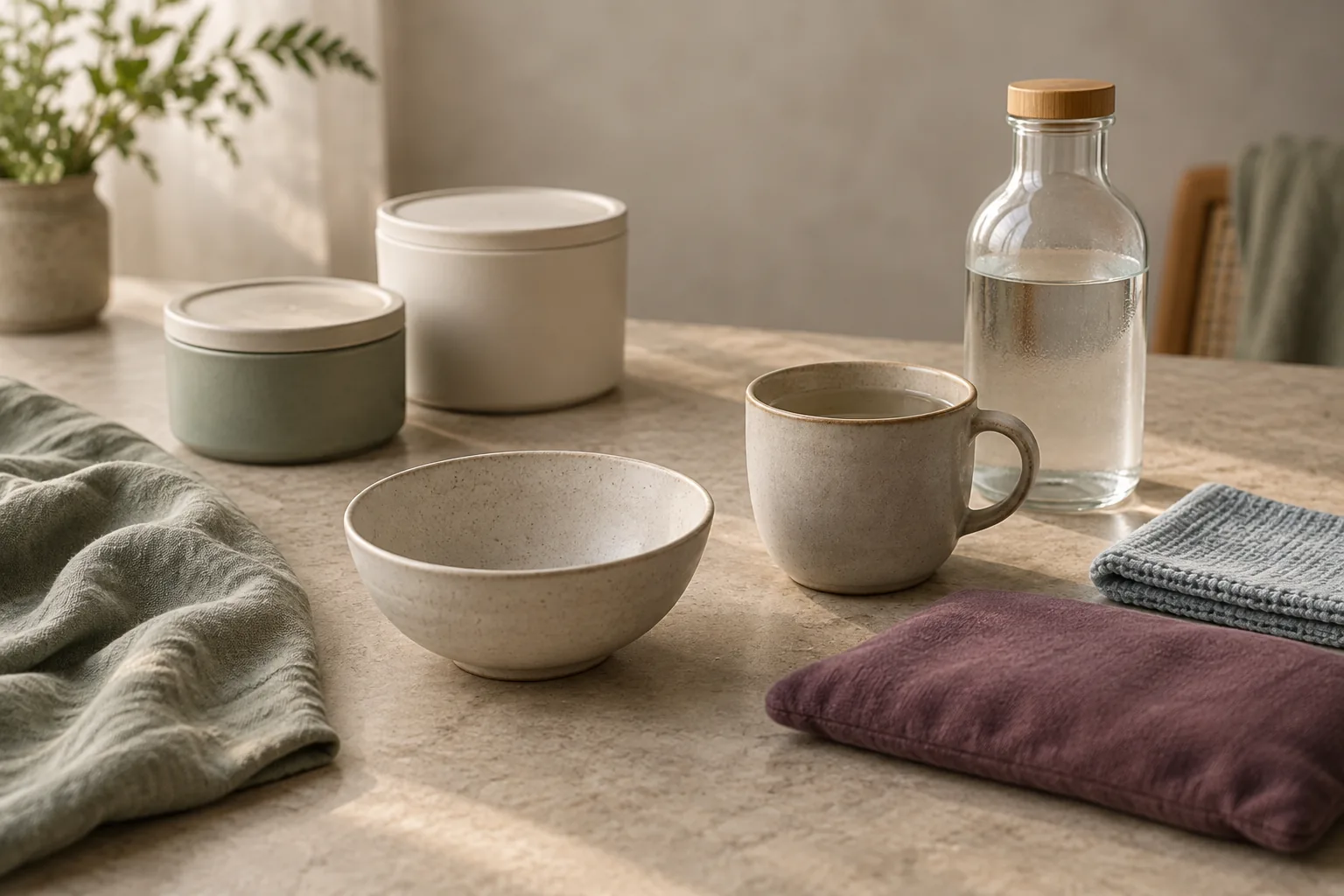
Build around what your body actually tolerates: a preferred cup, water, an empty bowl, cool cloth, warm pack, disposal bag, prescribed medication and individually chosen food.
Keep a small version at work, in the car or in an everyday bag. Preparation offers options—it does not prescribe which option you must use.
Understand
Curious about what may be happening?
You do not need to understand the physiology to use the comfort tools. When you are ready, these explanations can make patterns easier to discuss.
Why can dysautonomia affect digestion?+
The autonomic nervous system helps coordinate motility, secretion, blood flow and communication along the digestive tract. Symptoms can still have many causes, so dysautonomia should not automatically explain every digestive change.
Why can meals worsen dizziness or heart rate?+
Digestion redirects circulation toward the abdominal organs. Meal size, composition, heat and remaining upright may stack demands for someone with orthostatic intolerance.
Why can nausea and bloating vary so much?+
Gastric emptying, intestinal movement, constipation, visceral sensitivity, swallowed air, fermentation, medication effects, hormones and stress can overlap. Similar symptoms do not always share the same mechanism.
Why might texture and portion matter?+
Smaller portions and softer or smaller-particle foods may be easier for some people with delayed gastric emptying, while others need different strategies. Restriction should protect—not undermine—nutrition.
What about constipation?+
Constipation can increase pressure, gas, nausea and appetite changes. Fiber, fluid, movement and medications affect people differently, particularly when motility or pelvic-floor problems are present.
What does histamine have to do with food?+
Biogenic amines can vary with food type, processing, storage, time and temperature. Suspected histamine reactions are difficult to diagnose and can resemble allergy, mast-cell disorders and gastrointestinal disease.
When symptoms keep returning
Chronic digestive symptoms deserve support.
If nausea, bloating, constipation, changing food tolerance or other digestive symptoms become persistent or repeatedly interfere with eating and daily life, consider discussing them with your healthcare provider. A gastroenterologist and a registered dietitian familiar with dysautonomia or gastrointestinal conditions may help investigate causes while protecting nutrition and avoiding unnecessary restriction.